
Sports Massage at Home: Your Guide to Recovery and Relief

Recovering from physical activity or managing muscle pain can be a challenge, especially when you want to avoid long waits or costly visits to a clinic. That’s why I want to share some practical tips and techniques for sports massage at home. This approach can help you ease muscle tension, speed up recovery, and feel better in your daily life. Whether you’re dealing with soreness after a workout or chronic tightness, these methods are designed to be simple, effective, and accessible.
Why Choose Sports Massage at Home?
Sports massage is a specialized technique that targets muscles used during physical activity. It helps reduce muscle stiffness, improve circulation, and prevent injuries. Doing this massage at home gives you control over your recovery routine. You can tailor the pressure and focus areas to your needs, and fit it into your schedule without hassle.
Here are some benefits of sports massage at home:
Convenience: No need to travel or book appointments.
Cost-effective: Save money by using your own hands or simple tools.
Personalized care: Focus on the exact spots that feel tight or sore.
Stress relief: Massage helps calm your nervous system and reduce anxiety.
If you want to explore more about how to perform an at home sports massage, this guide will walk you through the essentials.
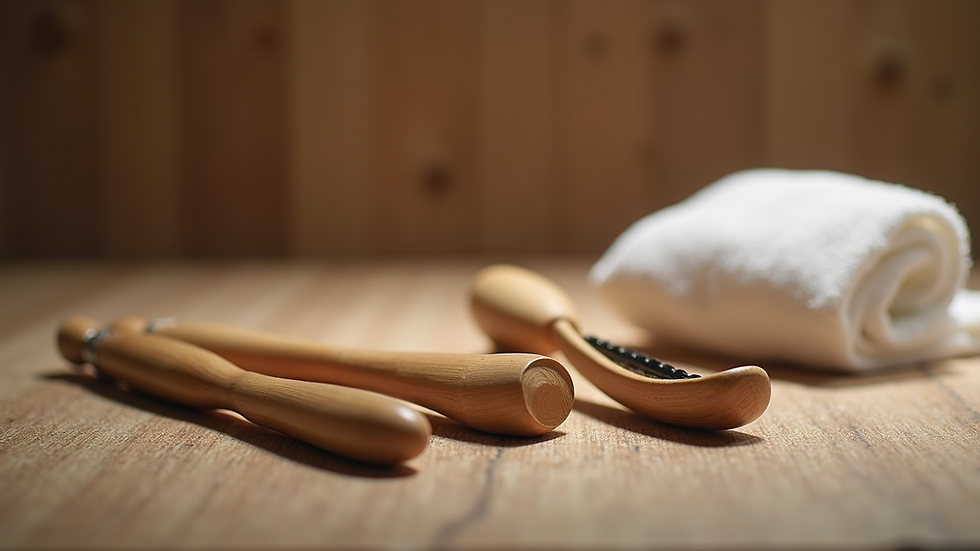
How to Perform Sports Massage at Home
Starting your own sports massage routine is easier than you might think. You don’t need special training, just some basic knowledge and a few tools. Here’s a step-by-step approach:
1. Prepare Your Space and Tools
Choose a quiet, comfortable spot where you can relax. Use a massage table, bed, or firm surface. Gather tools like massage balls, foam rollers, or even your hands. Warm up your muscles with a hot towel or a warm shower before starting.
2. Focus on Key Muscle Groups
Identify the muscles that feel tight or sore. Common areas include calves, hamstrings, quadriceps, shoulders, and back. Use gentle pressure at first, then gradually increase as your muscles loosen.
3. Use Different Techniques
Effleurage: Long, gliding strokes to warm up muscles.
Petrissage: Kneading and squeezing to release tension.
Friction: Small circular movements on knots or tight spots.
Tapotement: Light tapping or percussion to stimulate muscles.
4. Pay Attention to Your Body
Listen to how your muscles respond. Massage should feel good, not painful. If you experience sharp pain, reduce pressure or stop. Drink water after your session to help flush out toxins.
5. Keep It Consistent
Regular sessions, even 10-15 minutes a day, can make a big difference. Combine massage with stretching and gentle exercise for best results.

Where to Massage for Occipital Neuralgia?
Occipital neuralgia is a condition that causes sharp, aching pain in the back of the head and neck. Targeted massage can help relieve this discomfort by relaxing the muscles around the occipital nerves.
Here’s where to focus your massage:
Base of the skull: Gently massage the area where the neck meets the skull.
Upper neck muscles: Focus on the trapezius and suboccipital muscles.
Scalp area: Light circular motions can ease tension.
Use your fingertips or a soft massage tool. Apply gentle pressure and avoid pressing directly on the nerves. If you’re unsure, consult a healthcare professional before starting.
Tips for Enhancing Your Recovery with Massage
Massage is just one part of a healthy recovery plan. To maximize its benefits, consider these additional tips:
Stay hydrated: Water helps muscles recover and reduces soreness.
Get enough rest: Sleep is crucial for healing and muscle repair.
Incorporate stretching: Gentle stretches improve flexibility and reduce tightness.
Use heat or cold therapy: Heat relaxes muscles, while cold reduces inflammation.
Maintain good posture: Proper alignment prevents unnecessary strain.
By combining these habits with your massage routine, you’ll support your body’s natural healing process.
Making Sports Massage a Part of Your Wellness Routine
Integrating sports massage into your daily life can transform how you feel. It’s a proactive way to manage pain, reduce stress, and improve mobility. Remember, the goal is to listen to your body and treat it with care.
If you want to explore professional options, consider reaching out to a Registered Massage Therapist who understands your unique needs. Meanwhile, practicing at home sports massage can be a wonderful way to stay connected to your body and support your recovery journey.
Massage is more than just a luxury - it’s a valuable tool for health and well-being. Start small, be consistent, and enjoy the benefits of taking care of yourself right at home.

Comments